
1 in 8 men suffer from Prostate Cancer†, don't wait, get tested now.
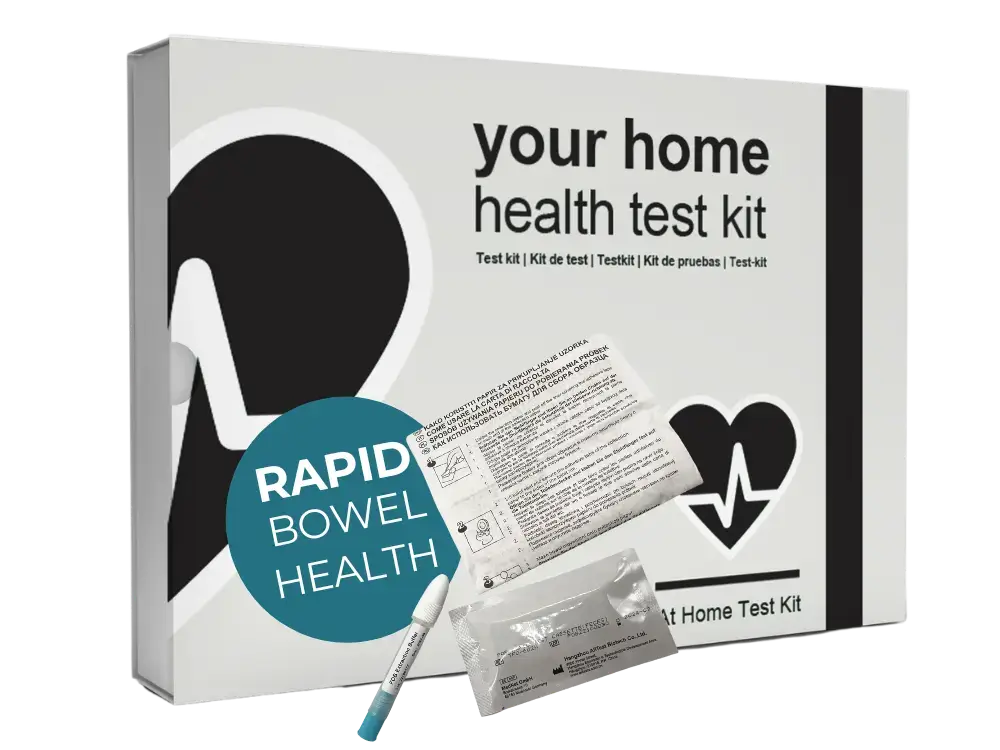


At-home health test
2 to 4 business days
17 years experience
Instant results

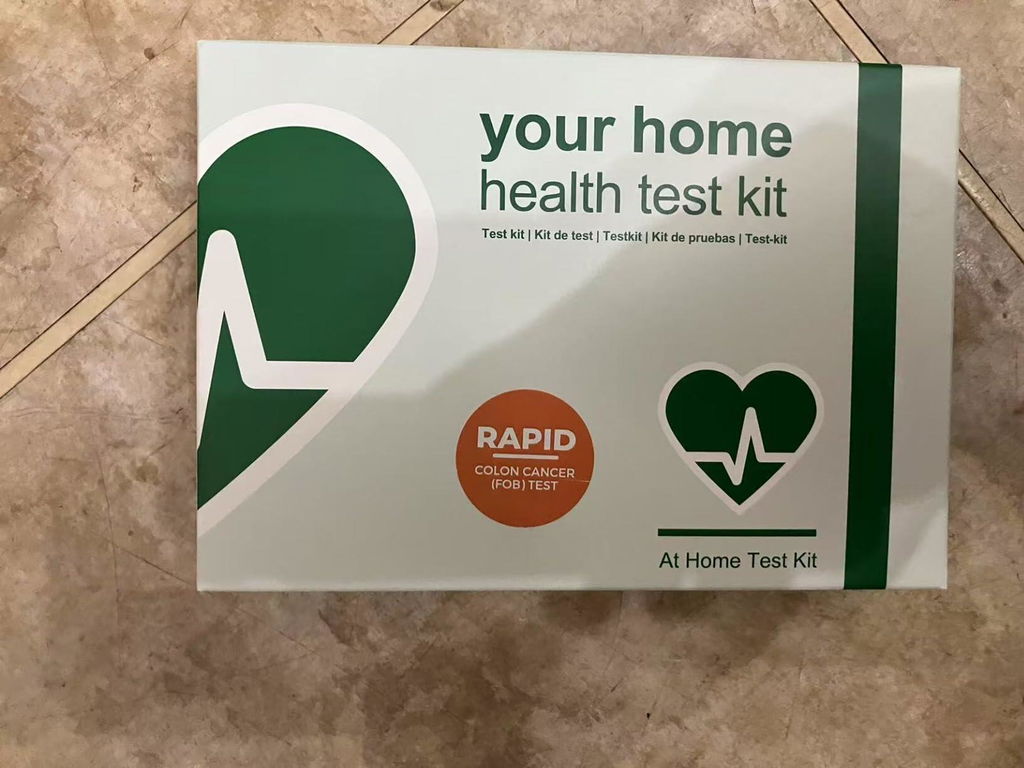
About The Colon Cancer (FOB) Test
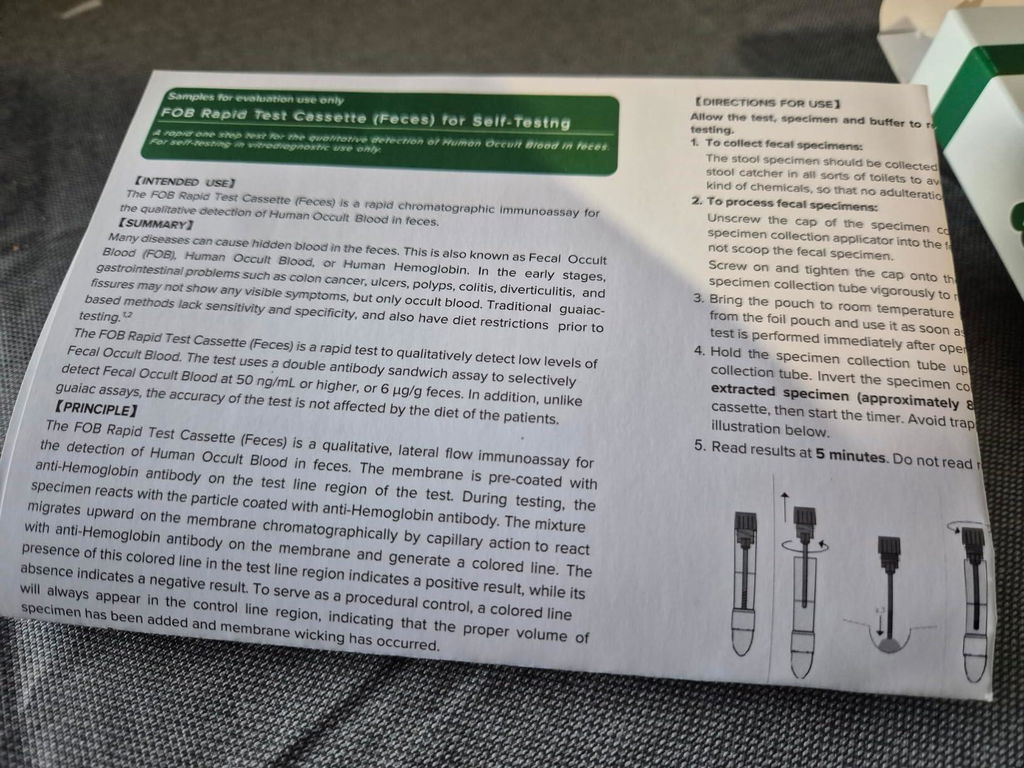
The at-home FOB (Faecal Occult Blood) gives you a rapid indication of your gastrointestinal condition aiding the detection of several gastrointestinal diseases that in their early stages may have no visible symptoms including colon cancer, ulcers, polyps, colitis, diverticulitis and fissures.
Currently, the traditional guaiac (a chemical substance from guaiacum trees) based screenings lack sensitivity and specificity, they also involve dietary and medicinal restrictions prior to testing unlike FOB rapid tests.
Occult blood means nonvisible blood in the faeces that could be a sign of a gastrointestinal disease not accompanied by readily discernible symptoms. Early detection of FOB can allow you to seek further medical advice or healthier lifestyle regimes for early-stage diseases that could prevent more severe gastrointestinal damage or control the condition.
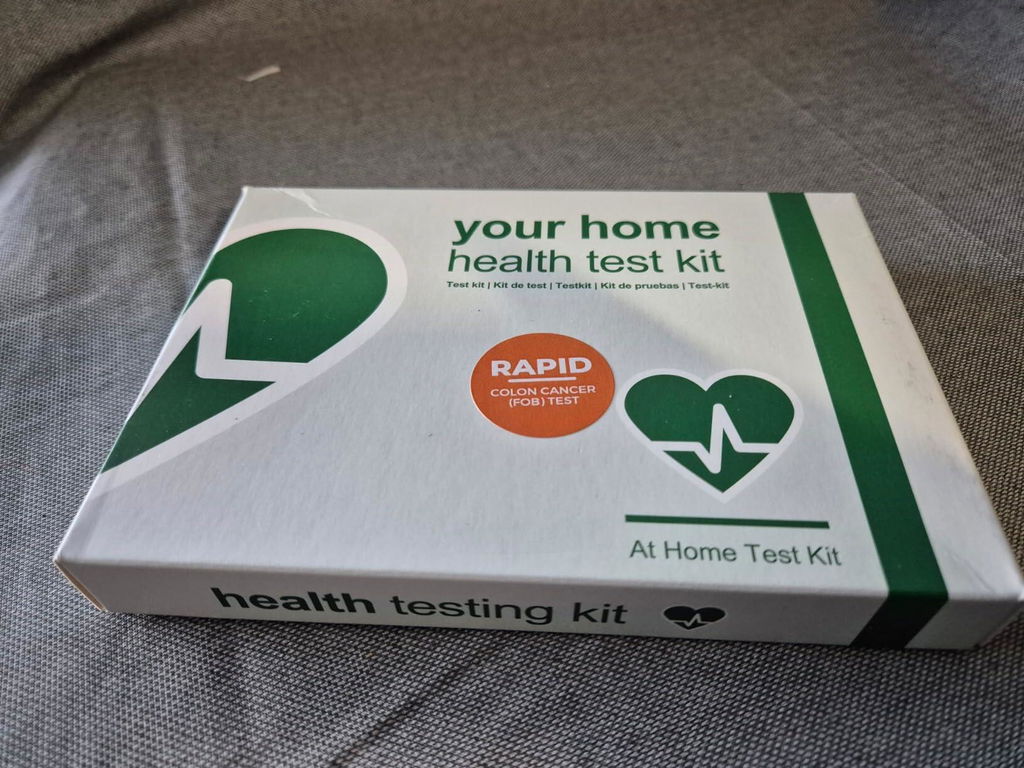
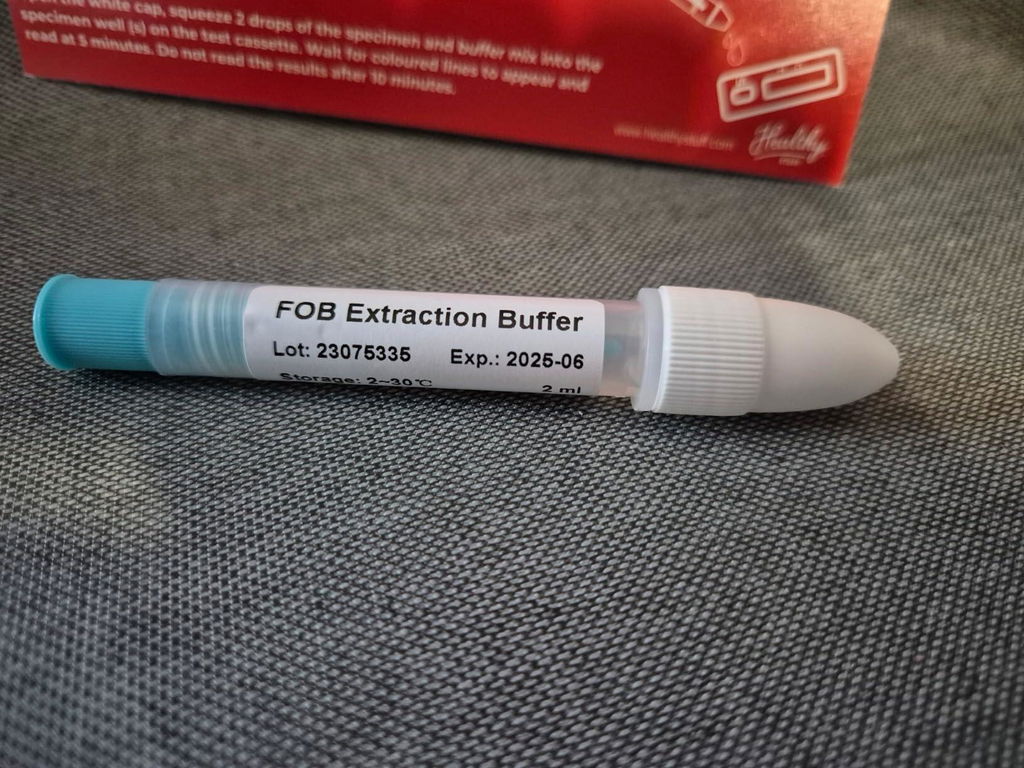
This rapid two-step lateral flow immunoassay test uses a specimen collection tube inclusive of extraction buffer and a chromatographic test cassette to detect the level of faecal occult blood above 50 ng/mL for self-testing and is mailed directly to you.
The easy-to-use CE approved testing kit is mailed immediately upon purchase and should reach you within 1-3 business days.
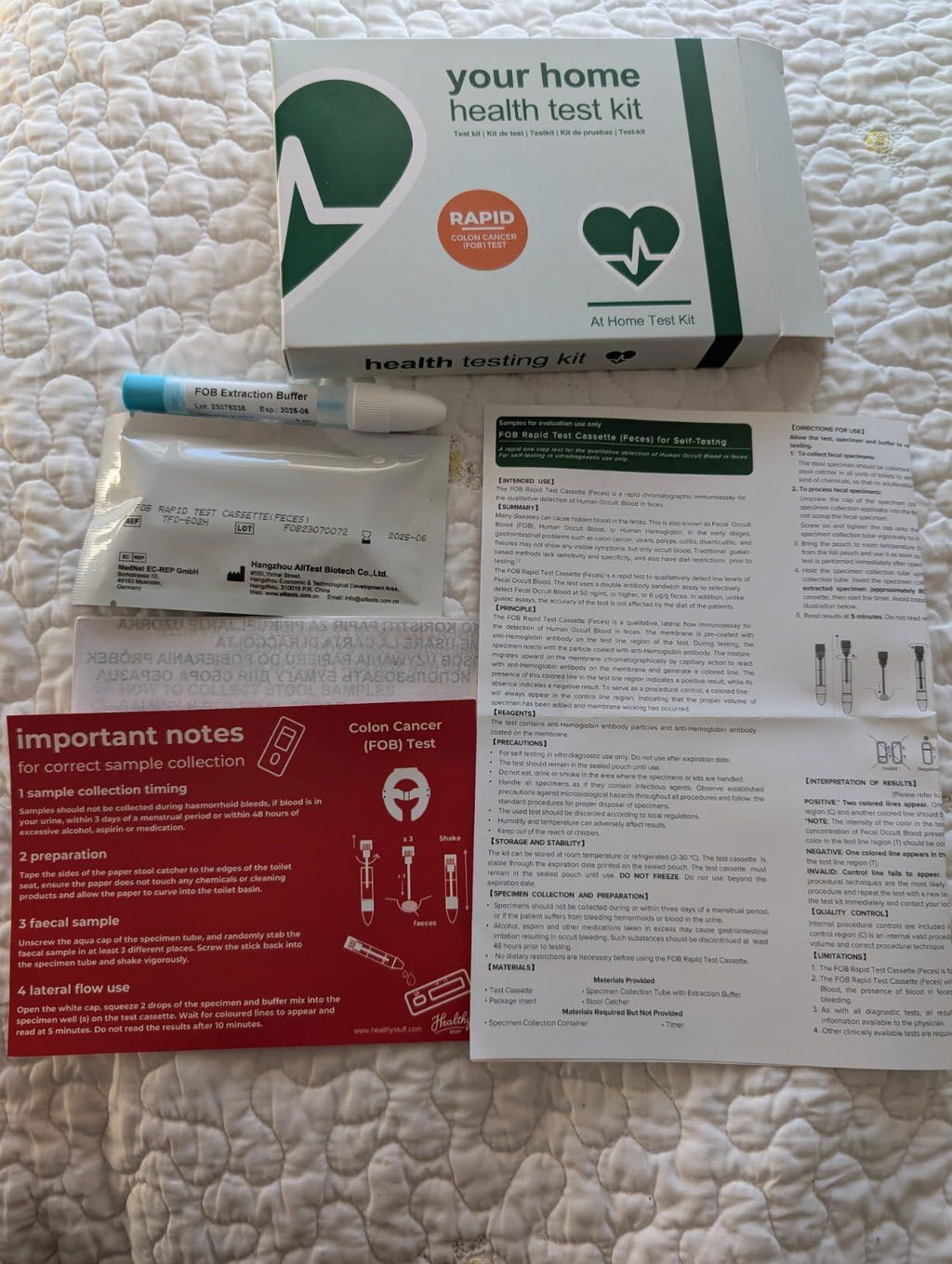
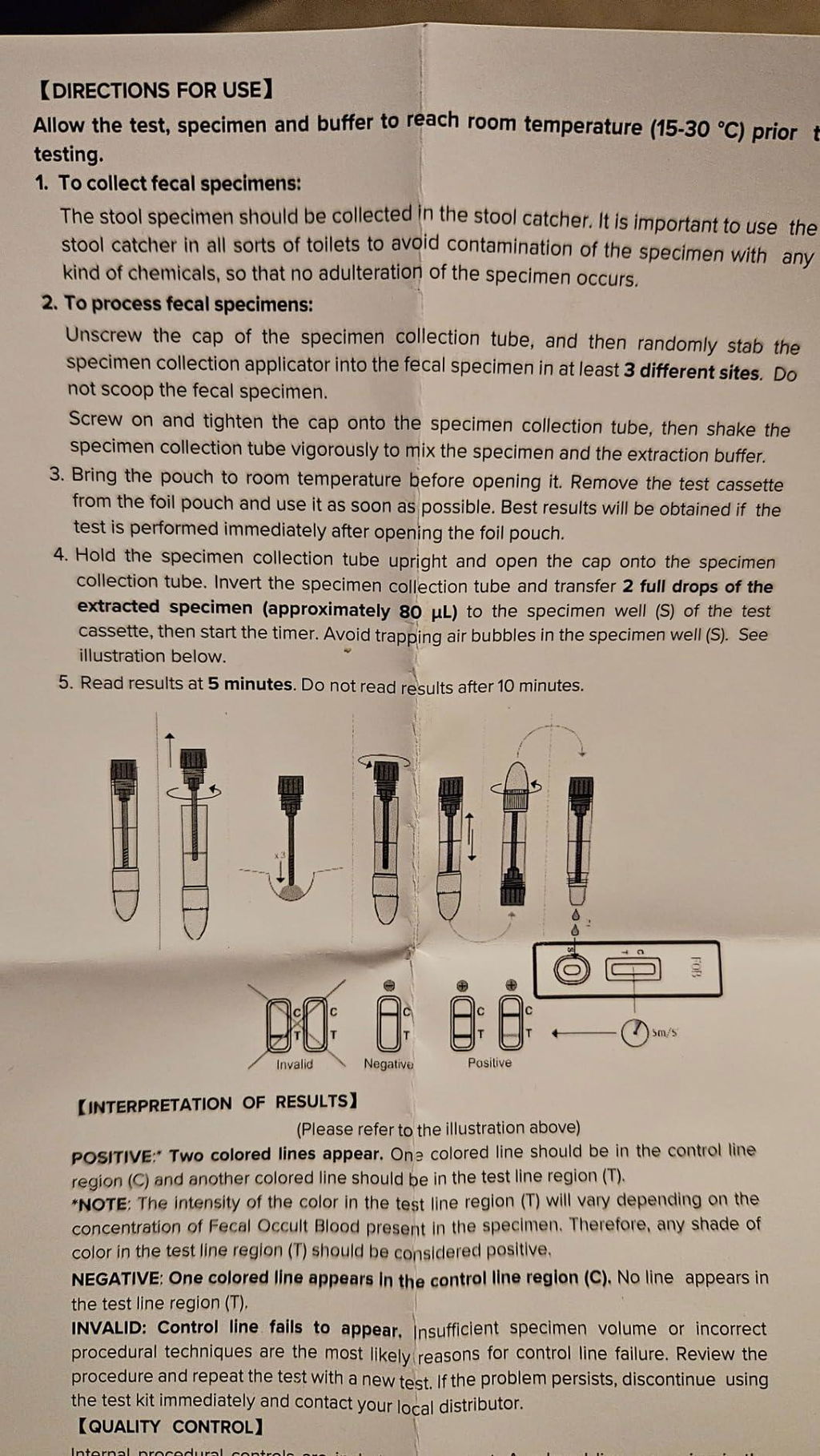
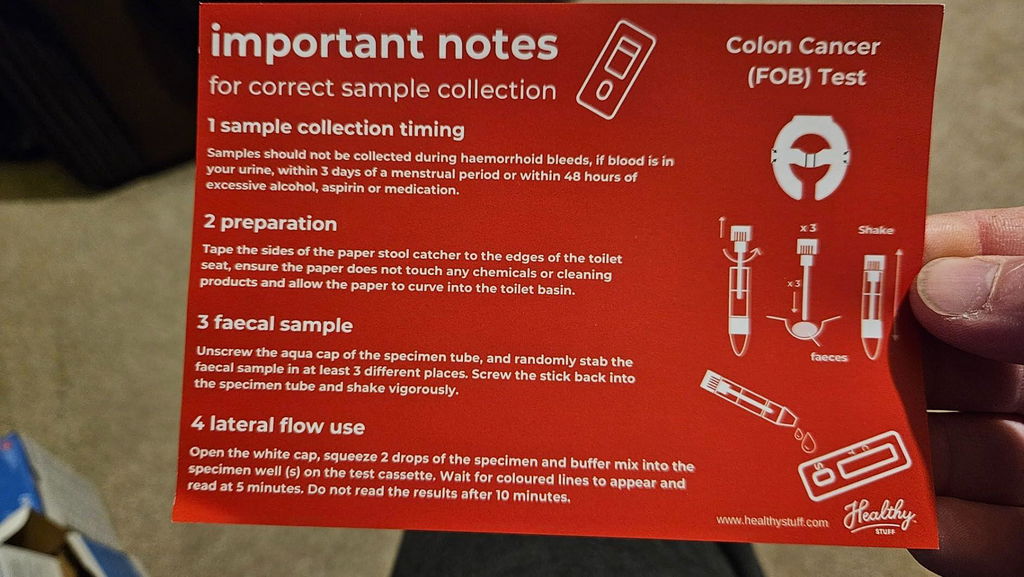
In the box, there will be full instructions provided on how to collect the sample, perform the test and results in just 5 minutes.
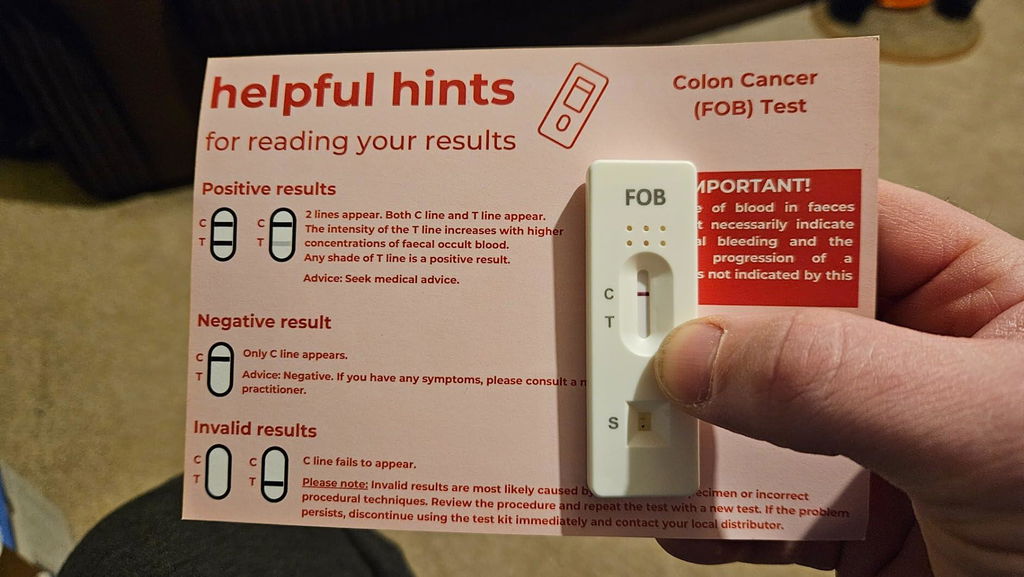
Concentrated levels of FOB will show as a positive test result on the test region (T) of the cassette and the more intense the colour, the higher the concentration of FOB in the sample which can indicate a gastrointestinal issue or disease.
The results can then be used to seek further medical advice and to implement healthier lifestyle choices depending on the body’s condition.


In The Kit
More about the Colon Cancer (FOB) Test
Colon Cancer (FOB) Test FAQs
Frequently Asked Questions
Are your health tests scientifically validated?
Do I need to visit a health practice for this testing?
How often should I complete a health test?
What health tests do you offer?
Have more questions? Visit our contact page where you can view our FAQ database, or contact our customer support.
Over 1+ million customers helped
What people are saying about our tests
Since 2009, we've helped over 1+ million customers discover hidden triggers. Start your journey to discovering a healthier you today!
C
Test easy to use, fast but not sure if reliable. Moreover, name suggest it detects the cancer ? What is detects is blood in feces. Even if it is positive it would not mean someone has a cancer, nameis very misleading.
M
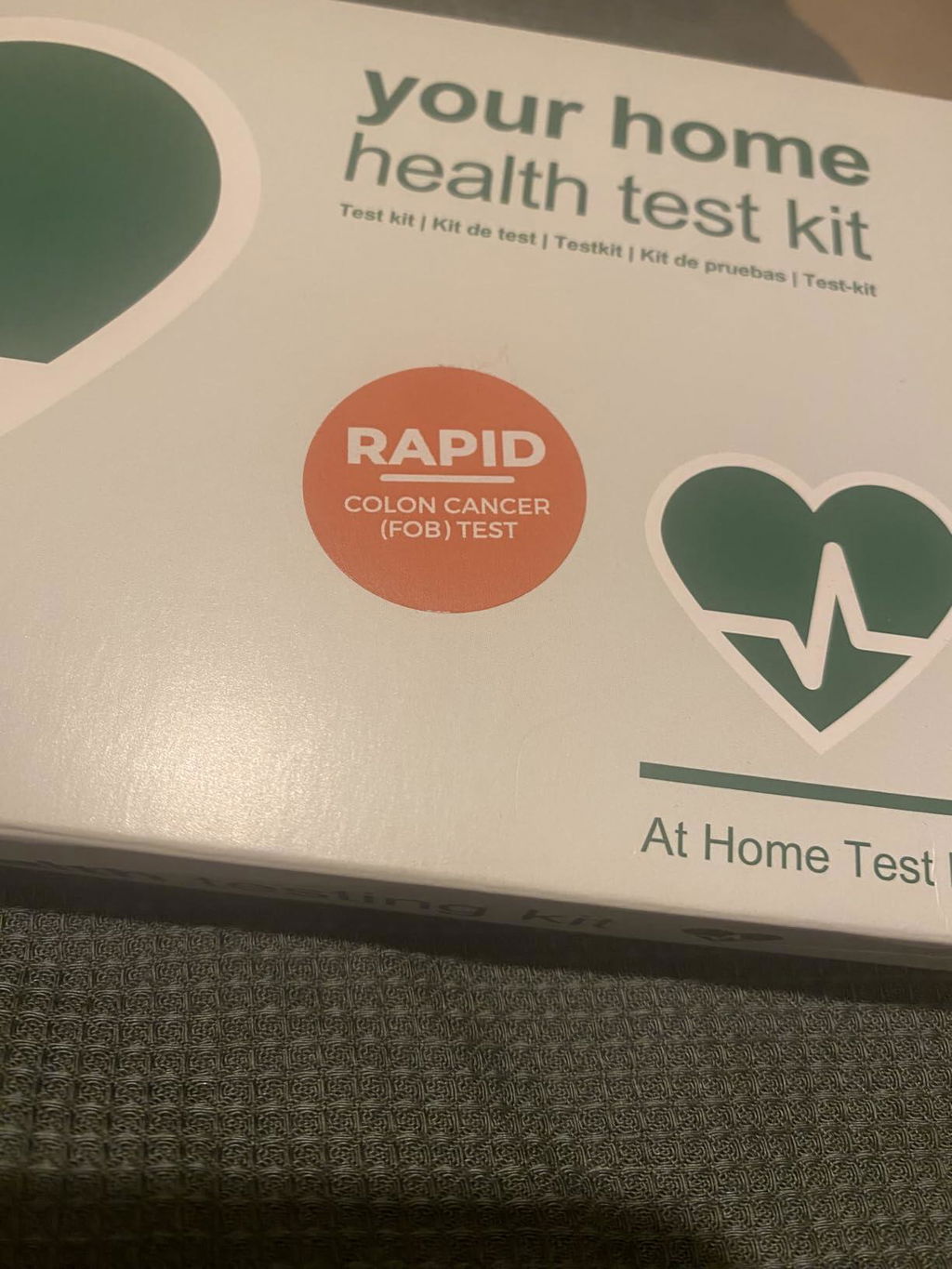
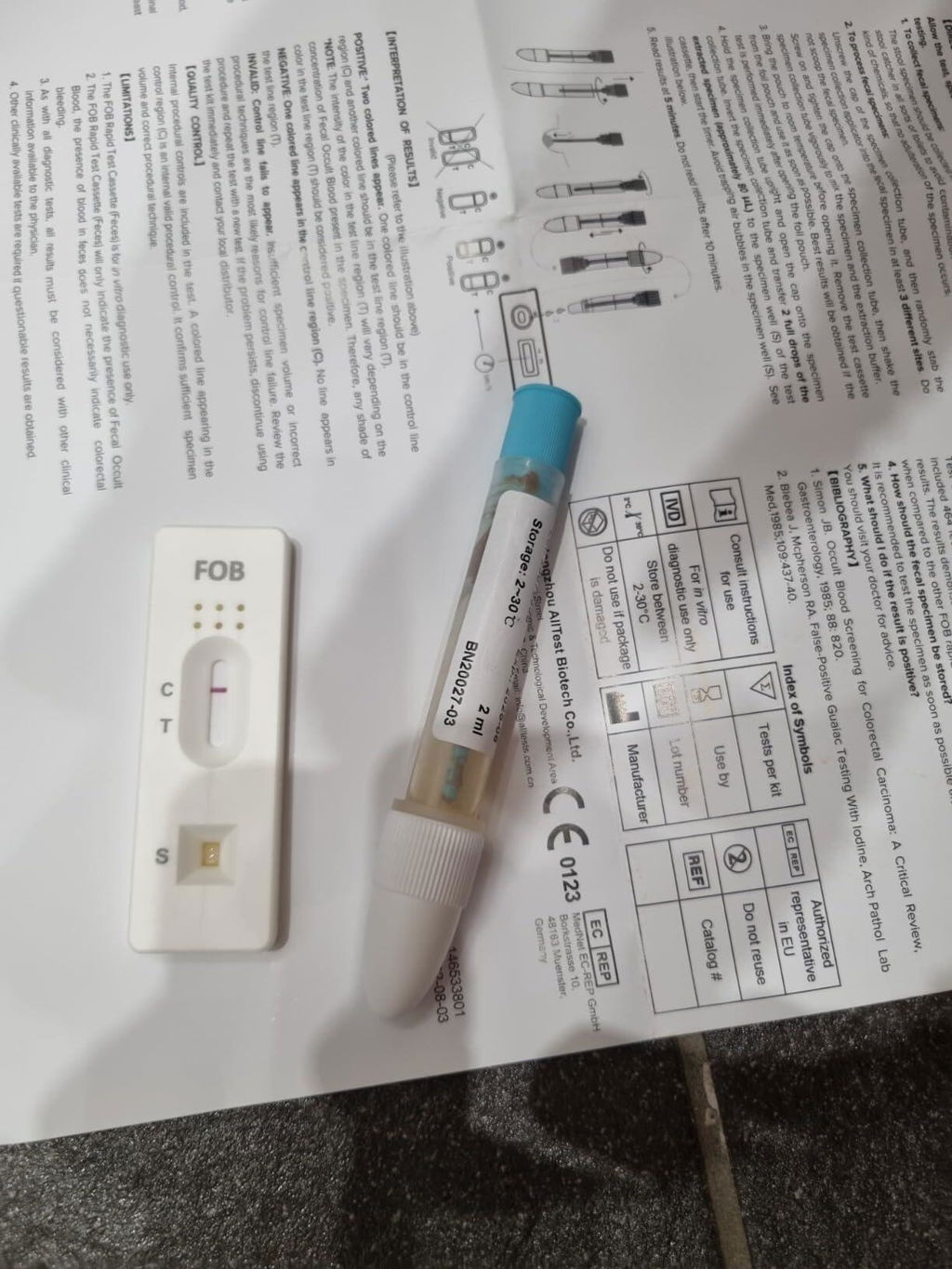
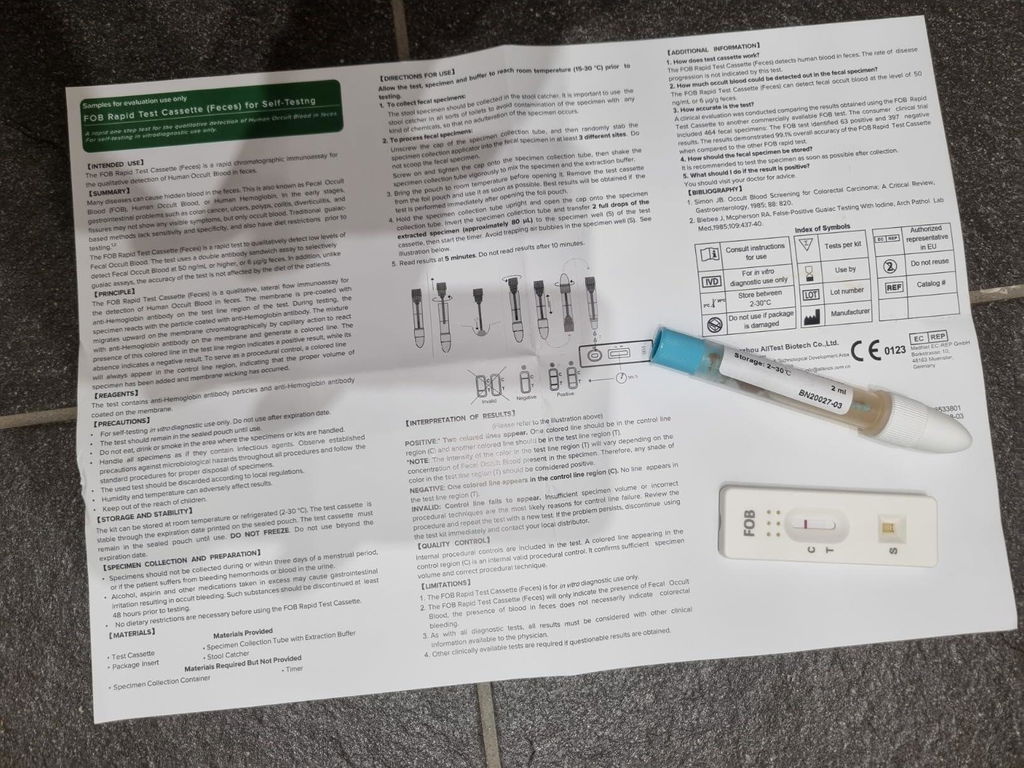
Ordered this home testing kit just to see what's results will come up. I don't have any symptoms but it's still worth checking as sometimes there is no symptoms.Just wanted to find out that I'm clear from that, and thankfully, according to this home test I don't have hidden blood in stool.The test was really easy to do. Instruction is clear but it should be written in bigger font for others who need reading glasses to see that small writing.This test gives clear results within 5 minutes. And for the £10 something, it's really worth to know do we have hidden blood in the stool or not, are we at risk of bowel cancer or not.All the parts of this kit is good. The paper sheet is like large band which sticks on the toilet seat rim (it's not easy to remove it though).The sample stick collects the stool sample in 3 places and goes inside the container with liquid. Shake it well. After this short time we place 2 drops of the liquid mixed with the poo sample on the cassette and wait 5 minutes for the results.One line near letter C says that test is negative and two lines on C and T shows that we might be at risk of bowel cancer and further tests will be needed at GP or hospital.I can recommend this test to anyone who might have some symptoms and wants to test themselves.
J
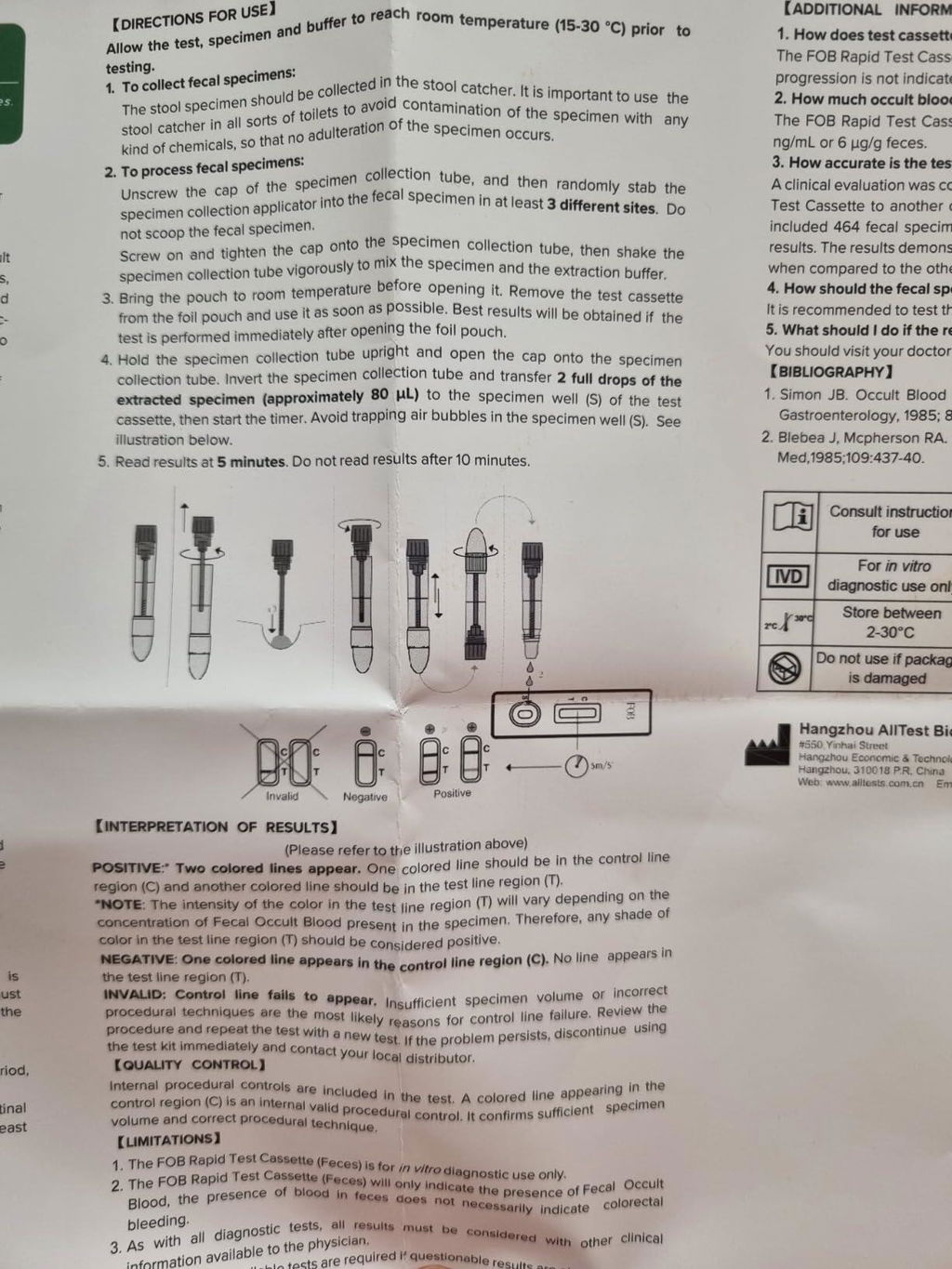
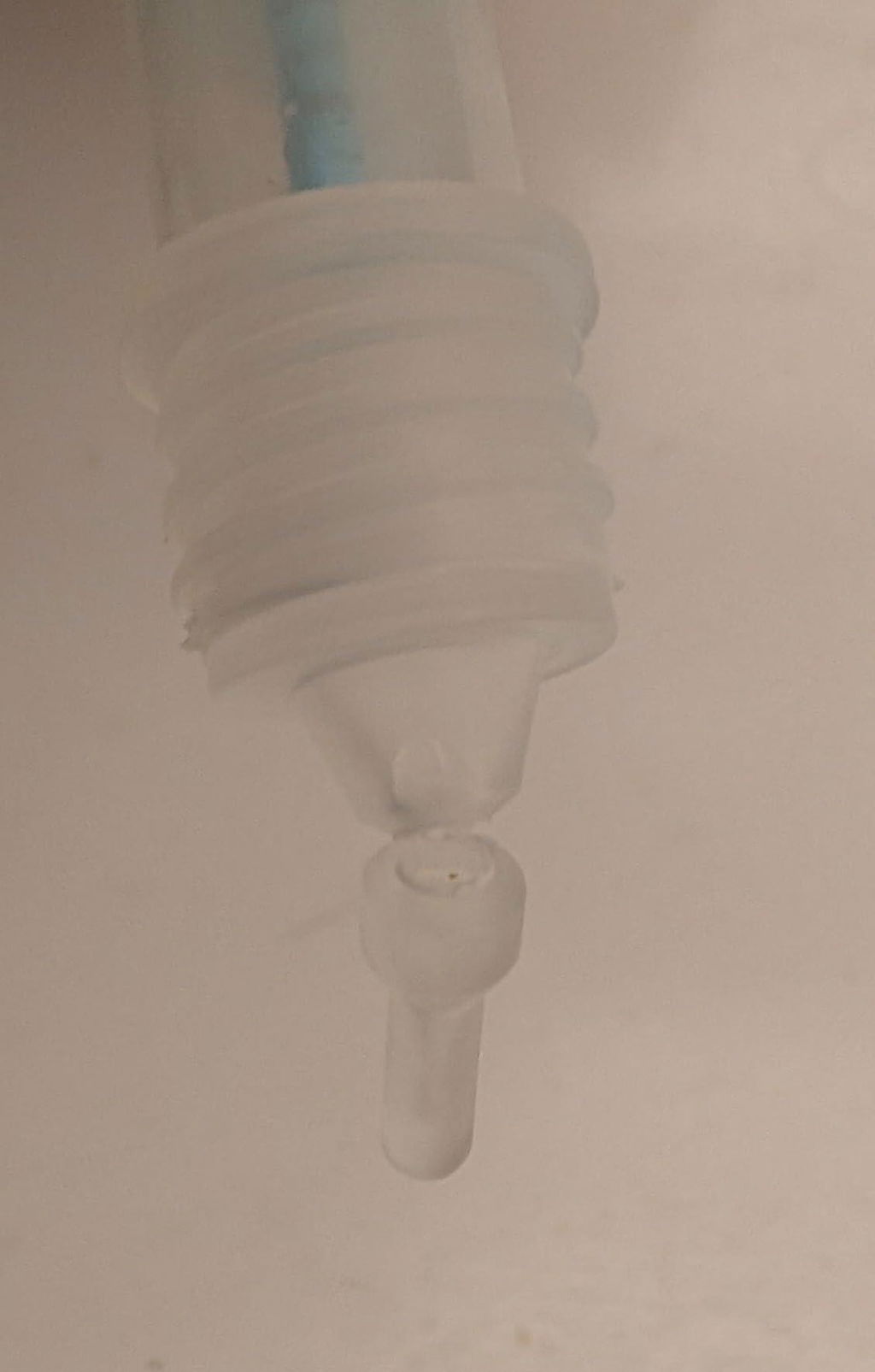
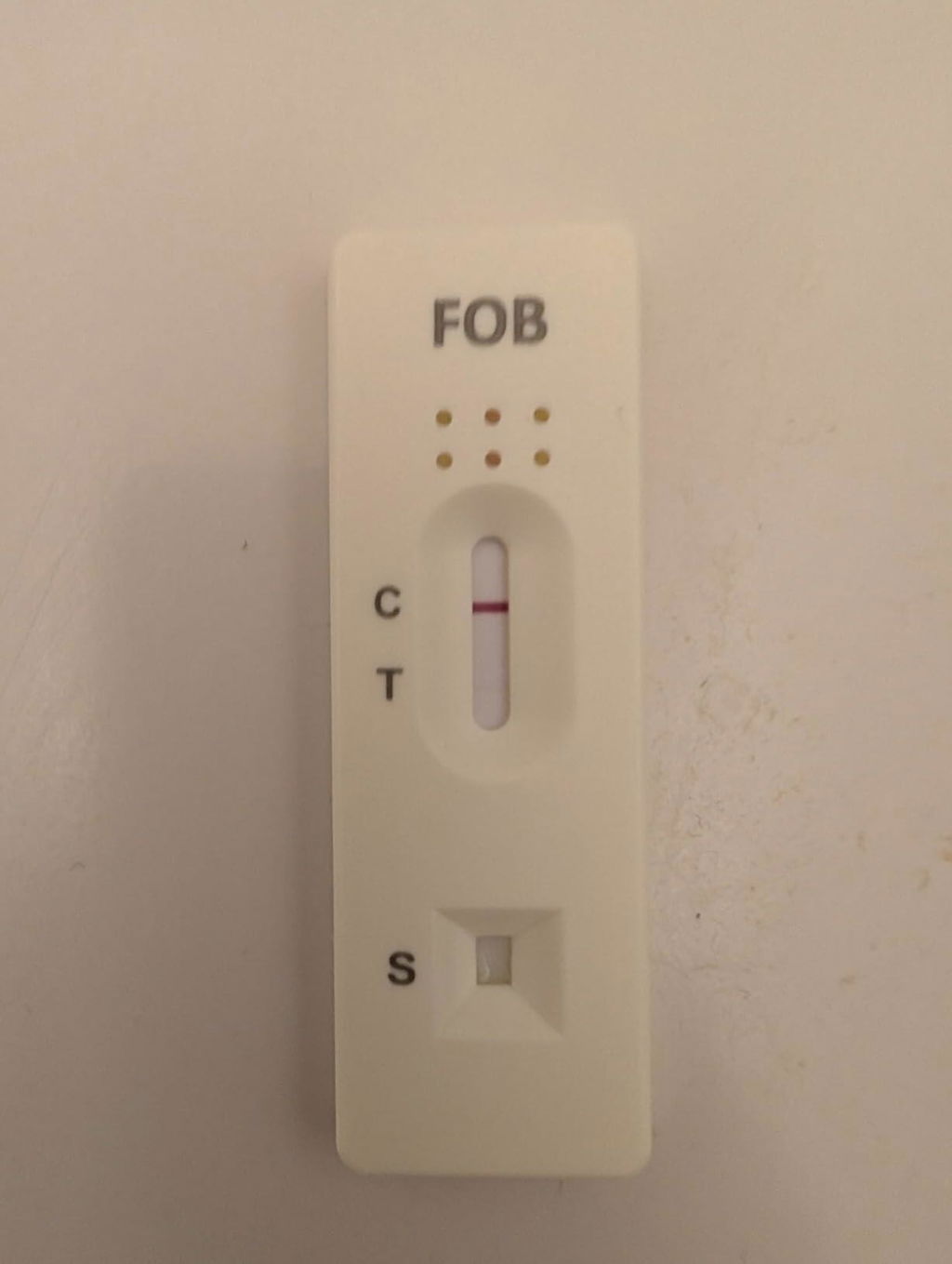
Positioning the flimsy "stool catcher" required some thought, and I found the instruction to "open the cap onto the specimen collection tube" wasn't at all clear. My experience was that after trying unsuccessfully to squeeze out two drops of the specimen, I concluded that there was a missing instruction: break off the nib of the tube, THEN transfer two full drops to the well of the cassette.Nib broken, 2 drops in the little cassette, 5 minutes.... negative result!
T
Full instructions provided which makes the process really easy to do and the results are really quick which gives great peace of mind.
P
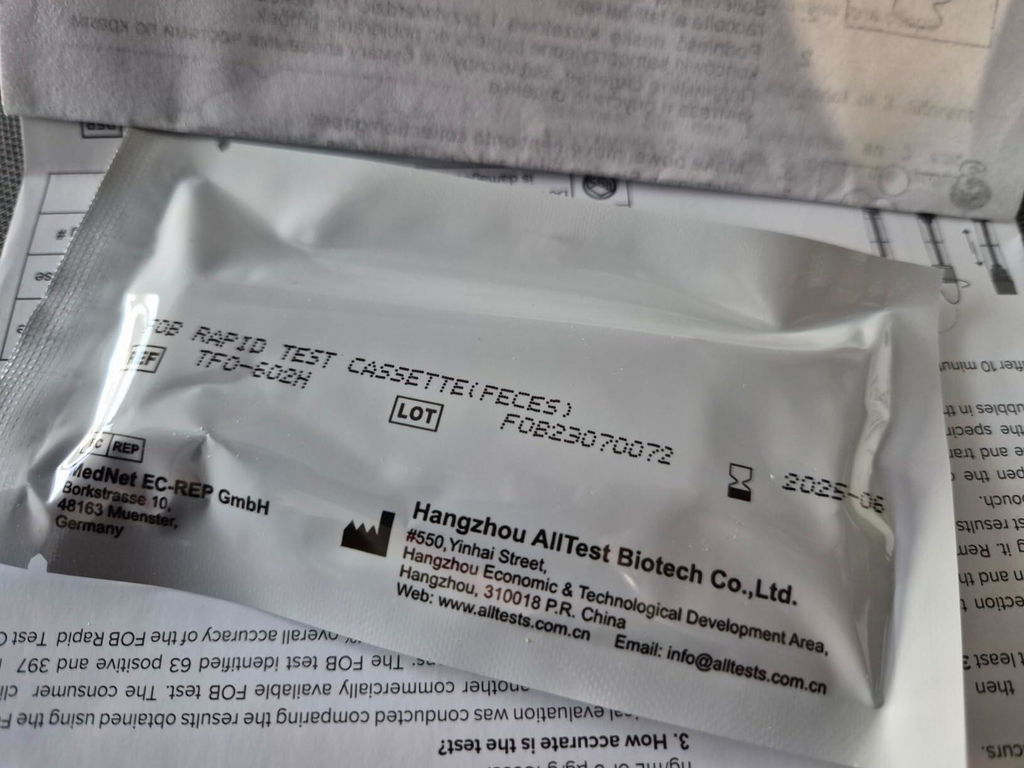
Simple and straight forward test kit for home use, results in 5 minutes!The instructions are easy to understand, there's also a picture diagram that you can follow.Result is like covid tests, if you get a line on the 'T' then that's a positive test result.Well worth doing this every couple of years, i think it's priced accordingly with an above 98% accuracy in results it is very reliable.
J
Testing for bowel cancer usually involves a number of methods, the most common of which is colonoscopy (colonoscopy). Colonoscopy is performed by using a thin tube with a camera (colonoscope) inserted into the bowel to look inside the bowel and possibly perform a tissue biopsy. This is a somewhat uncomfortable procedure, but it is usually painless and the doctor will provide the patient with sedatives and painkillers to ease the discomfort.Colonoscopy is able to look directly inside the bowel and find tiny lesions such as polyps, inflammation or early signs of cancer. This makes it highly sensitive in bowel cancer screening.Through tissue biopsy, colonoscopy can accurately determine the nature of the lesion and differentiate between benign and malignant lesions with a high degree of specificity.
E
Tests for blood in stool . It is not a cancer detector. Blood in stool nay be due to non-serious issues as well as malignancies.A positive result initiates the start of a health investigatory journey.
D
It isnt a FIT test Its a fob ( faecal occult blood ) test . Be aware …
W
I ordered this "Bowel Cancer" test from the Amazon brand Healthy Stuff Online. It is a simple test to administer at home and very clear guidance is provided on how to do it. The test doesn't actually test for cancer, it tests for the existance of blood in the stood, including microscopic quantities of blood. Of course, other conditions can cause blood in the stool and this test is really a warning sign that if blood were to be present then the tester/patient should make an appointment for further testing andor a diagnostic scan.The test cassette here - where you drip a liquid onto a little panel on a plastic device/cassette and wait for the result, works in a similar manner to what we all remember in Covid tests.At £7.99 there really is no excuse not to do this ten minute test to take control of our own health.Five stars
D
The FIT (Fecal Immunochemical Test) Bowel Cancer Home Test Kit offers a convenient method for early detection of colorectal issues. Depending on its accuracy, it could provide valuable peace of mind. Studies indicate that FIT has a sensitivity of approximately 79% in detecting colon cancer. I don’t think I would be 100% satisfied with this tests results and would obviously contact a doctor if I had serious concerns but it could be used as a starting point to see if things are present that could indicate bowel cancer. It’s easy enough to use if you follow the instructions on the card provided and you have results in minutes.
A
Good product.Clear instructions. The test is quick and easy to carry out. I can recommend it.
P
Bowel Cancer Test for Detecting Colon will not detect cancer but will detect blood in your stool and this is what it does very well. It is recommended if any blood is detected that you attend your GP.I found the test worked well and worked quickly giving me the results I already knew I would get but for me it give me the satisfaction that I was not wasting the doctor's precious time and I was able to show my doctor the test results as I took a record of it on my phone and the test that I used.This is a quality test and one I would happily recommend as sometimes a little bit of knowledge does help you understand what the next test could be or in my case will be.Happy to recommend.
L
This bowel cancer test is a really convenient way to check. It's simple to use at home, and the FIT type test is a well-established screening method. It works well and gives peace of mind. Good value for a home test kit. I'd definitely recommend it for anyone looking to do routine colorectal screening.
B
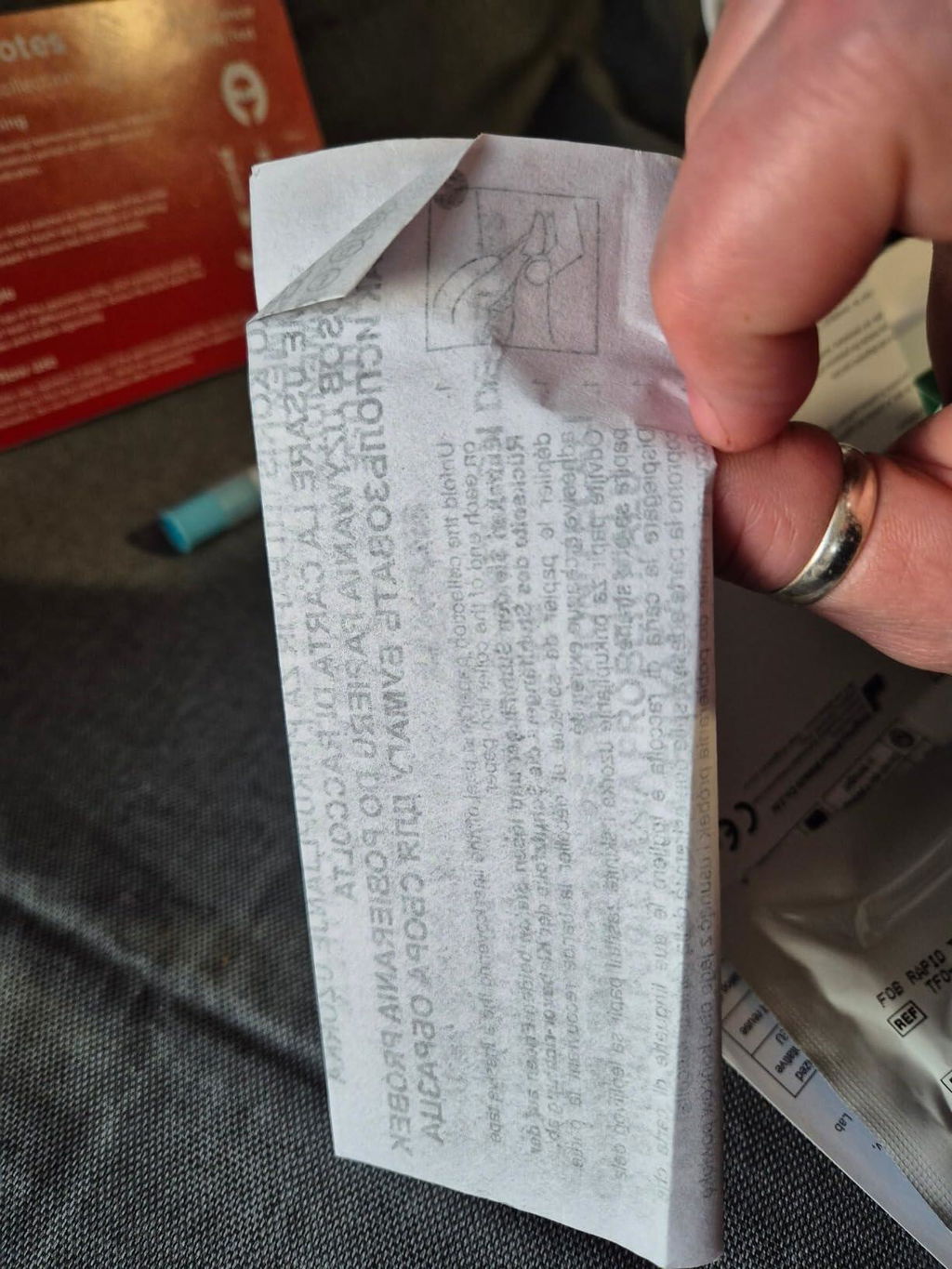
This has been an easy enough test to do. There was a super thin instruction sheet in different languages that wasn't very helpful as it only had half the instructions on it. However there was a separate instruction card I found that made more sense.My result was positive, which I'm not going to be too concerned about just yet. As I have recently been having gut issues, which I have narrowed down to been triggered by instant coffee which it seems I may be intolerant too. So the gut inflammation and gut irritation I have recently had could explain the occult blood.I'll give this 5 stars, as it seems to detect what it's meant too. Now I have a positive result, I will work on my gut health in the coming weeks, and re-test each week to see if I can make a difference, then if no change, I'll visit my GP for more professional guidance.I do think it can be a bit misleading though, as someone with less knowledge than me can automatically think they have bowel cancer with a positive test, when in fact other things can be going on too with their gut health.I'd recommend it though for checking for occult blood.
M
This is a fantastic quick and easy option to help put your mind at rest if you are anxious for any reason about your bowel movements etc and want to eliminate the big C as the results are a very good indicator but none the less I'd still recommend having a professional check up if in doubt. As a first step though this is a good option as is very straight forward and easy to use and you get results within less than 10 minutes. Good value and no issues with use so would recommend fully.
Buy your Colon Cancer (FOB) Test today!
Purchasing a Colon Cancer (FOB) Test?
Why not purchase one of these similar health tests or a supporting supplement to help you on your health journey.